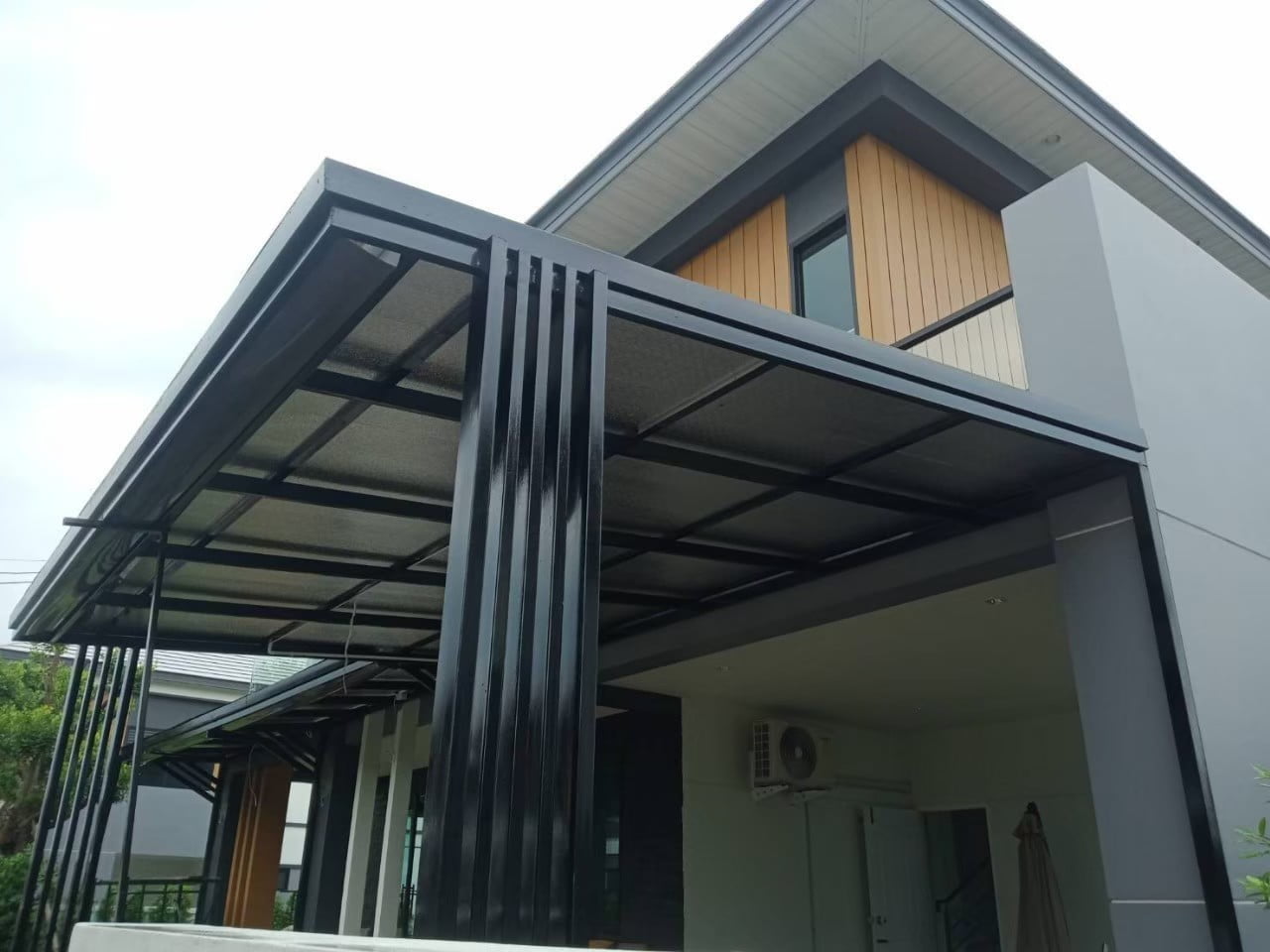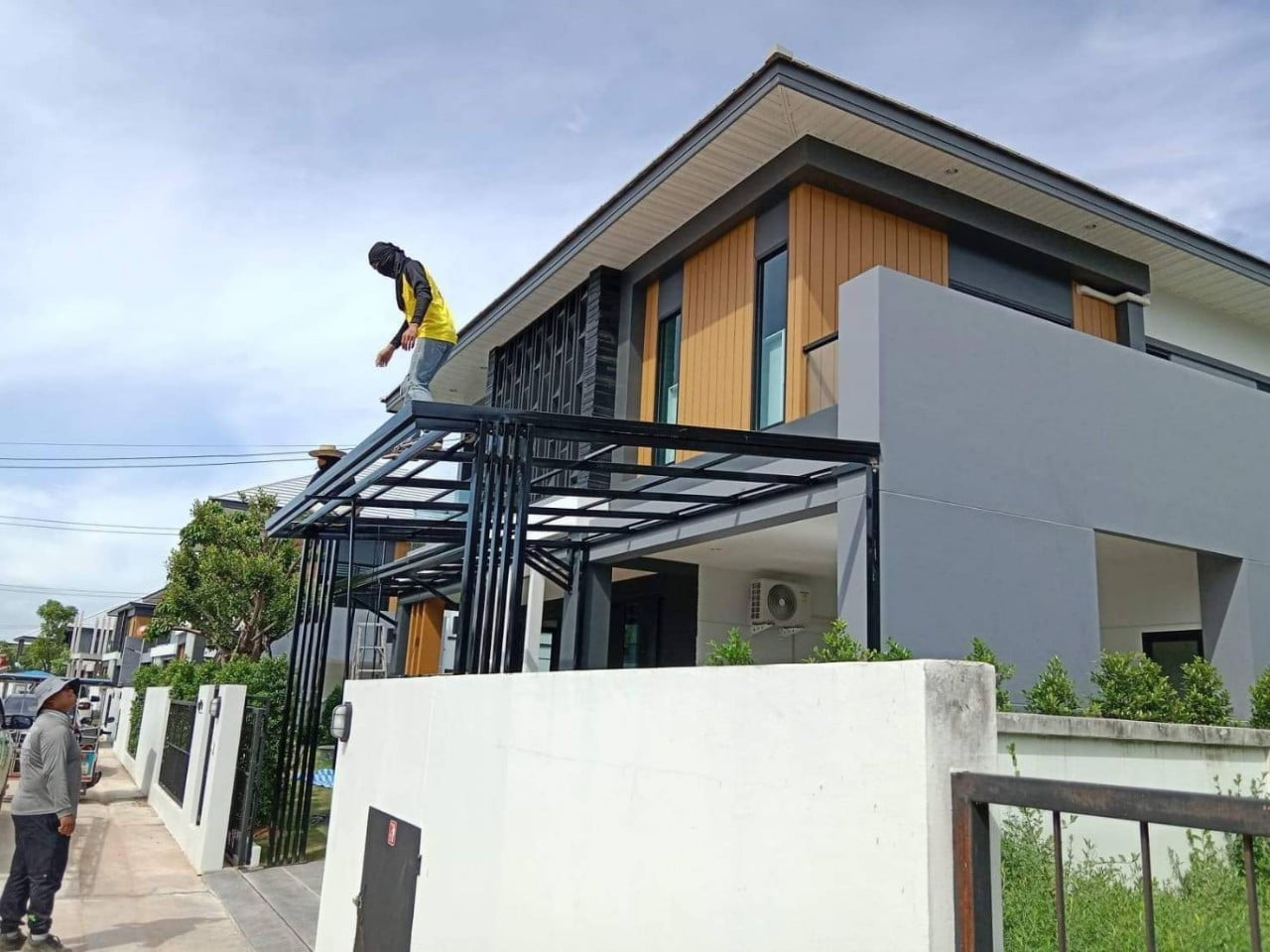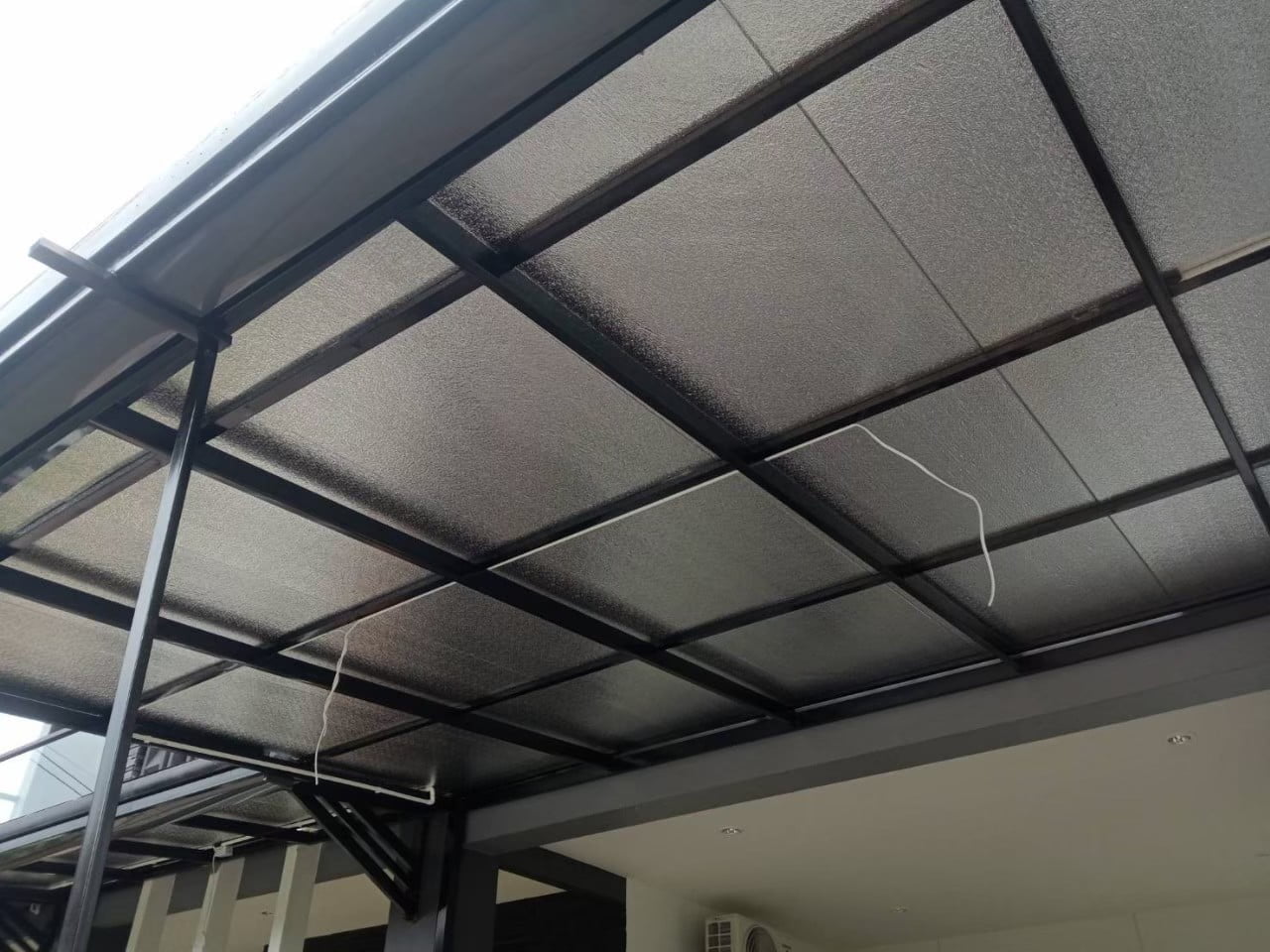


PU ULTRA

PU ULTRA INSULATION

One of the key rigid foam insulation materials used in roofing and wall systems is an organic polymer that possesses characteristics between rubber and plastic. It offers outstanding properties such as excellent thermal insulation, sound absorption, environmental durability, oil resistance, and flexibility.

Polyurethane foam can expand 20–100 times its original volume, forming a cellular structure consisting of both closed-cell and open-cell types. Closed-cell foam allows significantly less vapor transmission compared to open-cell foam. In addition, polyurethane foam provides excellent heat resistance, with a decomposition temperature ranging from 230–250°C, making it highly suitable for insulation applications.

10year-warantee
PU Cold
safty-first

Physical Properties of PU ULTRA Insulation

A comprehensive summary table of the physical properties of PU ULTRA thermal insulation, along with the corresponding ASTM / DIN testing standards.
Product Property PU ULTRA Test Method
Cell Structure Open Cell > 70% ASTM D6226
Overall Density 25 ± 3 Kg/m³ ASTM D1622-14
Core Density 20 ± 3 Kg/m³ ASTM D1622-14
Dimensional Stability (% Size Change) < 3% ASTM D2126
Tensile Strength 30 - 40 KPa ASTM D1621-16
Fire Resistance Properties Class B3 DIN 4102
Thermal Conductivity (K-Value) @24°C Mean 0.0290 – 0.0320 W/m·K ASTM D2126

Product Specifications (PU ULTRA Thickness Options)

Summary Table of Thermal Conductivity (K-Value), Thermal Resistance (R-Value), Heat Reduction, and Energy Savings for Insulation Thicknesses of 20 / 25 / 50 mm
Product Specifications (Thickness in mm) 20 25 50 Test Method
Thermal Conductivity (K-Value)
(W/m·K) @24°C mean
0.03 0.03 0.03 ASTM C518
K-Value
Btu·in/hr.ft².F @75°F mean
0.208 0.208 0.208
Thermal Resistance (R-Value)
K·m²/W @24°C mean
0.6667 0.8333 1.6667 ASTHRAE GR P158
R-Value
hr.ft².F/Btu @75°F mean
0.0962 0.1202 0.2404
Residual Heat (Btu/ft²·°F·hr) 362.86 444.36 806.76
Roof Surface Heat Reduction (°C) ≈ 5.5°C ≈ 6.6°C ≈ 11.0°C
Energy Savings (THB/Month)) 42.829 52.43 95.2

* Based on calculations using a room size of 16 square meters, air conditioner set at 25°C, operating 8 hours per day, with an outdoor temperature of 40°C — comparing metal sheet roofing with insulation versus without insulation.

** Test results referenced from controlled laboratory conditions under the Product Research & Development Division, with room temperature maintained at 25°C and a heat source of 200 watts.

*** Calculation based on a 1-ton air conditioner (12,000 BTU) consuming 1.25 kW/hr, with an electricity cost of 2.6 THB per kW, operating 8 hours per day.

Benefits of Choosing Polyurethane (PU Foam) Insulation

More Energy Efficient:
Reduce electricity usage from air conditioning with a low thermal conductivity insulation material. It effectively decreases heat transfer through the roof by up to 496.174 (Btu/ft²·°F·hr) for a 16-square-meter room, resulting in significant energy savings and improved indoor comfort.

PU Cold

Cooler and More Comfortable:
Features a high thermal resistance (R-value) and a low thermal conductivity (K-value), helping to reduce roof surface heat by up to 10°C, resulting in a noticeably cooler indoor environment.

safty-first

Stronger and More Durable:
Made with high-density PU foam, which is stronger than standard polyurethane foam, it can withstand compressive loads of up to 1 ton per square meter while remaining extremely lightweight—approximately 20 times lighter than water.

Safer and More Reliable:
Formulated with fire-retardant additives, the high-quality PU foam helps reduce the risk of fire spread (DIN 4102 Class B3) while maintaining excellent insulation performance. It is also environmentally friendly, produced using safe and advanced manufacturing technology—recognized as one of the leading processes in Southeast Asia.

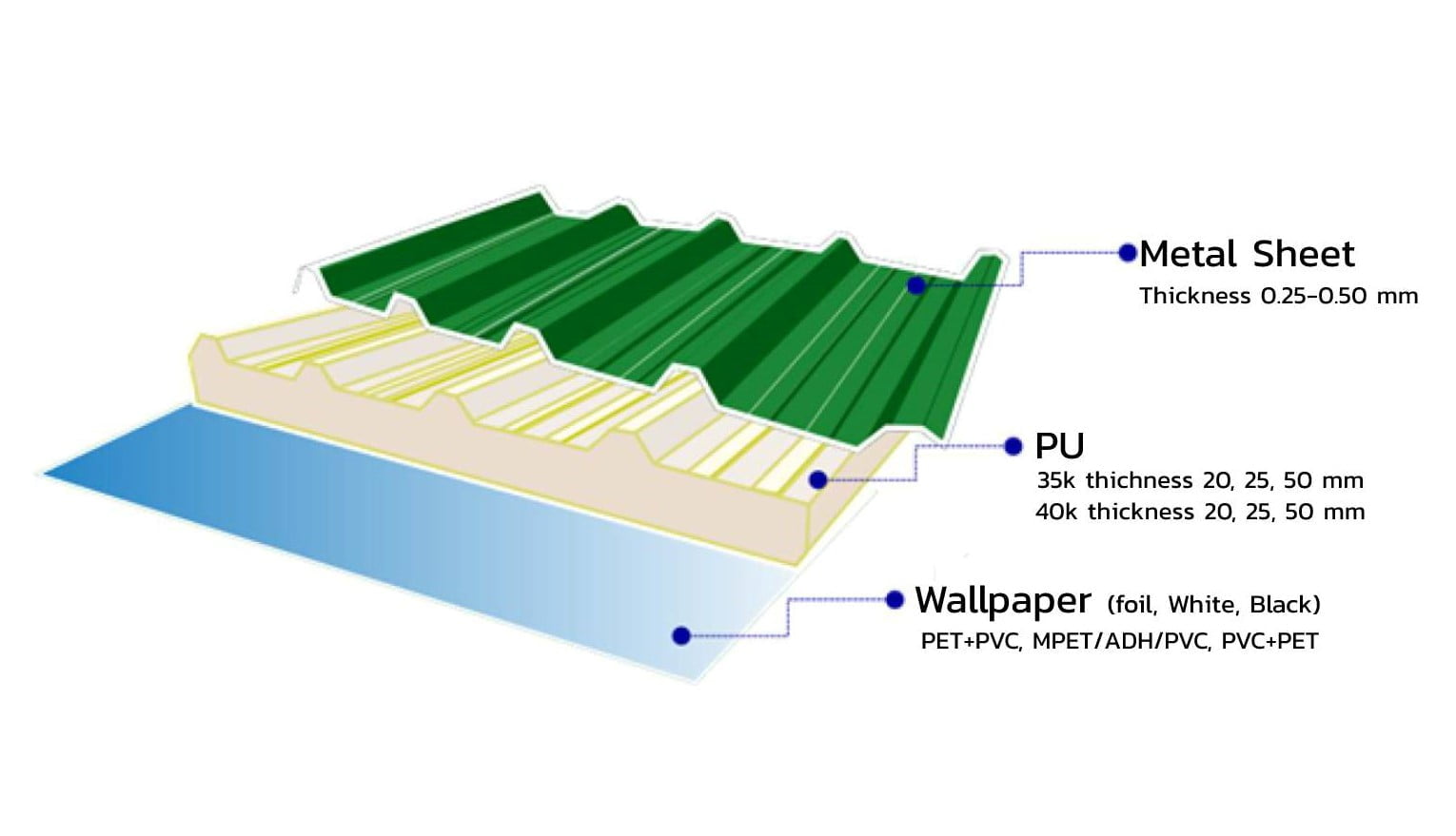
PU Foam Roof Panel Structure

Metal sheet : Thickness 0.25-0.50 mm
PU : Thickness 20,25,50 mm
Wallpaper (Foil, White, Black)
PET+PVC, MPET/ADH/PVC, PVC+PET

PU Foam Sandwich Roof Panel Structure

Metal sheet : Thickness 0.25-0.50 mm
PU : 35K thickness 20,25,50 mm
Metal sheet : Thickness 0.30-0.50 mm

Performance Comparison: BK PU ULTRA vs. Conventional Insulation

Comparison Table of Thermal Conductivity (K-Value) and Fire Spread Test Results Between BK PU ULTRA and Other Insulation Types, Including Actual Test Outcomes
Product Property Test Method BK PU ULTRA OTHERS Performance Comparison
Thermal Conductivity: K-Value ASTM D2126 0.0290 – 0.0320
(W/m.K) @24°C mean
0.0340 – 0.0370
(W/m.K) @24°C mean
16%
Fire Resistance Properties Class DIN 4102
BK PU ULTRA ก่อนทดสอบไฟ
BK PU ULTRA ระหว่างทดสอบไฟ
BK PU ULTRA หลังทดสอบไฟ
ฉนวนอื่น ก่อนทดสอบไฟ
ฉนวนอื่น ระหว่างทดสอบไฟ
ฉนวนอื่น หลังทดสอบไฟ
65%

Thermal Insulation Material Comparison Table

Comparison of density, thermal conductivity, advantages, and disadvantages of each insulation type, including BK PU ULTRA
Material Density (kg/m³) Thermal Conductivity (W/m·K) Advantages Disadvantages
Fiberglass 16–48 0.035–0.050 Lightweight and inexpensive Moisture absorbent
Fiberglass Board 60–180 0.035–0.045 Lightweight and inexpensive Moisture absorbent
Rockwool Board 100–150 0.035–0.045 Low cost Heavy and not durable
BK PU ULTRA 17–23 0.029–0.032 Excellent thermal insulation and strong Combustible, but contains fire-retardant additives
Cellulose Fiber 25–55 0.030–0.040 Not commonly used Easily produced / low-grade material
PU ULTRA [PUFOAM]

T.A.S Corporation Co.,Ltd.

T.A.S Corpration

Product Inquiry

[fluentform id="1"]